




Financing nature has long been an important topic and conversation. Natural systems—forests, wetlands, mangroves, watersheds, coral reefs—perform vital economic functions that have been historically treated as free. And yet the capital has not followed at the scale required.
By one estimate, nature investments currently run at around US$60–70 billion a year. Around 90 percent of this financing comes from public and philanthropic sources, while the private sector—which manages the overwhelming majority of the world’s investable capital—contributes only 10 percent, mostly through corporate sustainability programs, carbon credits, and supply chain commitments that remain marginal and fragile.
Nature finance is fragmented and insufficient to address the twin crises of biodiversity loss and climate change. In a landmark report, Unlocking Private Finance for Nature as Infrastructure—published in 2025 by the Asian Infrastructure Investment Bank, the Paulson Institute, the European Bank for Reconstruction and Development, and Morphosis—explores how countries and financial institutions can integrate nature into infrastructure planning and mobilize private capital at scale through standardized Public-Private Partnerships for Nature (PPPNs). The report highlights how nature can be recognized as a critical, investable asset, enabling nature to access the same financing pathways as traditional infrastructure through national investment plans, blended finance, and PPP frameworks.
During this webinar, our speakers take stock of what the Unlocking Private Finance for Nature as Infrastructure report found, and go further. They look at how nature underpins economic resilience and growth, the cost of the financing gap, and how to close it. Also shared is a specific new proposal—a Nature Asset Protection entity that would act as a deal-making intermediary between the owners of at-risk assets and the providers of capital that could protect them.
Agenda
Opening remarks—Deborah Lehr
Keynote—Erik Berglöf (key findings of the PI/AIIB/EBRD/Morphosis Financing Nature As Infrastructure report; the role of multilateral development banks in scaling public finance for nature as infrastructure)
Private sector perspective—Sir Danny Alexander (how HSBC and the broader private sector view blended finance, risk, and opportunity in nature-based investments)
The way forward—Simon Zadek (the architecture needed to deliver PPPs for nature)
Panel discussion—moderated by Terry Townshend

Deborah Lehr
Vice Chairman and Executive Director, Paulson Institute
Deborah Lehr is the Vice Chairman and Executive Director of the Paulson Institute. In that capacity, she advises the Chairman on US–China relations as well as oversees the development and implementation of Paulson Institute programs and initiatives. In addition, Ms. Lehr manages the Green Finance Center for the Paulson Institute. Ms. Lehr has served in the public, private and not for profit sectors focused on China, the Middle East and emerging markets. She advised Mr. Paulson when he was the CEO and Chairman of Goldman Sachs and helped then-Treasury Secretary Paulson to create and launch the U.S.-China Strategic Economic Dialogue. In addition, she served as Senior Advisor to the Chairman and CEO of Merrill Lynch and was a Senior Managing Director at the New York Stock Exchange. Ms. Lehr has built several successful consulting businesses, including as a partner at Mayer Brown, a top-10 law firm, as President of Stonebridge China and then with her own firm, Basilinna. Basilinna is focused on China and the Middle East. Ms. Lehr also served in the U.S. Government in the Executive Office of the President as a Deputy Assistant U.S. Trade Representative for China, where she was a lead negotiator for China’s accession to the World Trade Organization, for two intellectual property rights negotiations and on the team for the 1992 Market Access Agreement. Also, Ms. Lehr was one of the youngest Directors of Asian Affairs at the National Security Council. Previous to that, she was involved in export control and trade policy issues at the Department of Commerce. As the Founder and Chairman of the Antiquities Coalition, she works with governments around the world to fight against the illicit trade in antiquities. She serves on the International Advisory Board of the London School of Economics, the World Monuments Fund Board and the Middle East Institute Board. Ms. Lehr is a member of the Council on Foreign Relations. UNESCO listed Ms. Lehr on its inaugural list of accomplished global women. She also received the prestigious Hadrian Award from the World Monument Fund for her work in fighting the illicit trade in antiquities. Ms. Lehr has lived and studied around the world, including China, England, France, and Germany. Her writings have appeared in the Wall Street Journal, Huffington Post, Foreign Affairs, South China Morning Post, U.S. News and World Report, Caixin Magazine, and Xinhua.net, among others.
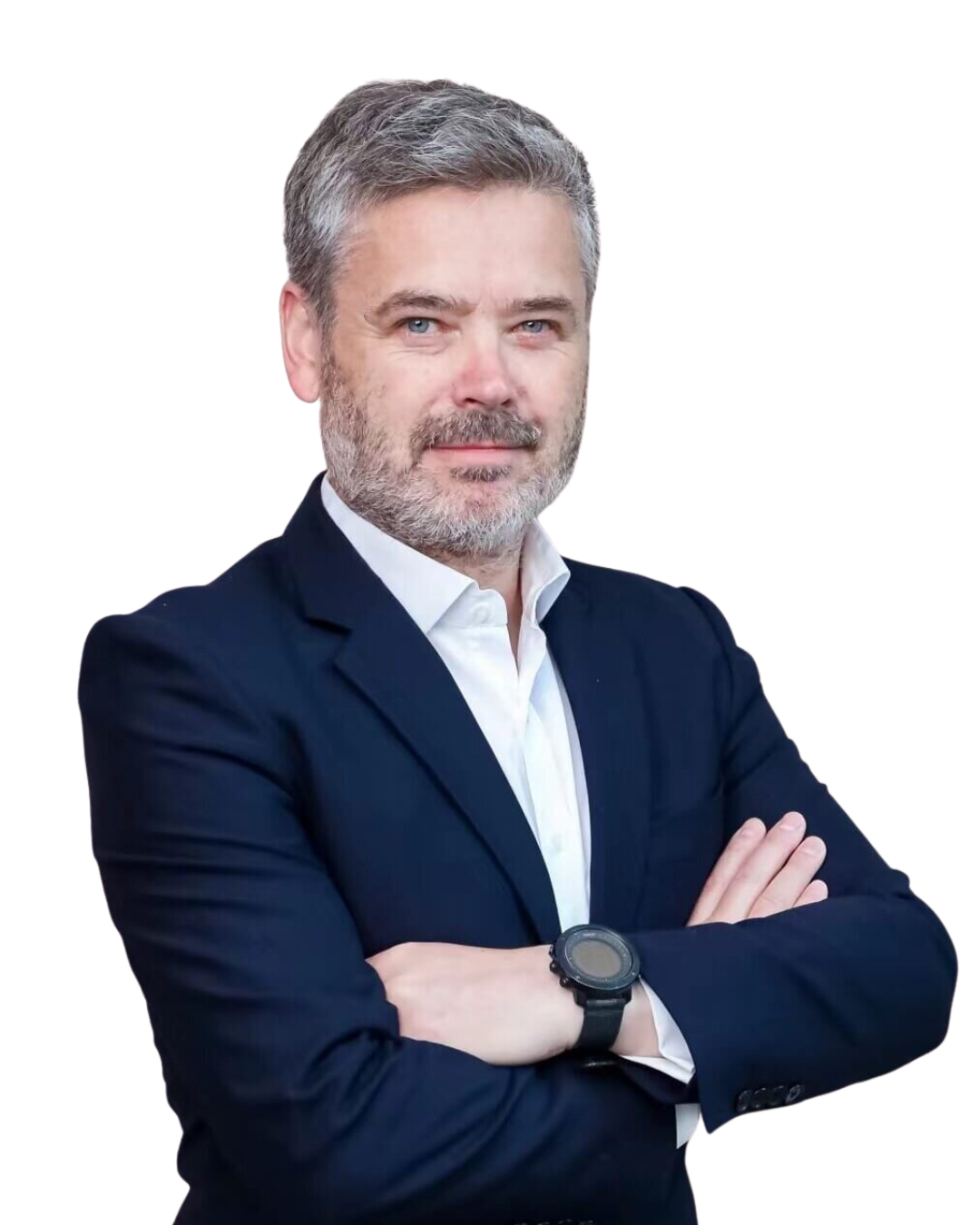
Terry Townshend
Advisor, Paulson Institute
Terry Townshend is an Advisor to the Paulson Institute, where he focuses on communications for the Conservation program’s work. In this role, Terry works closely with the Conservation and Communications teams at the Institute to support the development and implementation of outreach strategies for our critical studies and initiatives. With a background in environmental law and wildlife conservation, Terry has held leadership positions at Globe International as well as the UK government (Defra). He was lead author of the inaugural, now annual, Globe Climate Legislation Study, examining climate-related legislation in 100 countries. Since 2010, he has been based in Beijing, initially as an advisor to the Chinese government on the drafting of a General Law on Climate Change. In recent years, Terry has focused on his passion, wildlife conservation creating the “Birding Beijing” website and an innovative community-based program which tracks many of Beijing’s iconic birds. He has worked on projects to help save some of China’s most endangered birds from extinction, as well as wildlife conservation projects focusing on the Snow Leopard. Terry holds a Masters degree in Environmental Economics from the University of Essex.
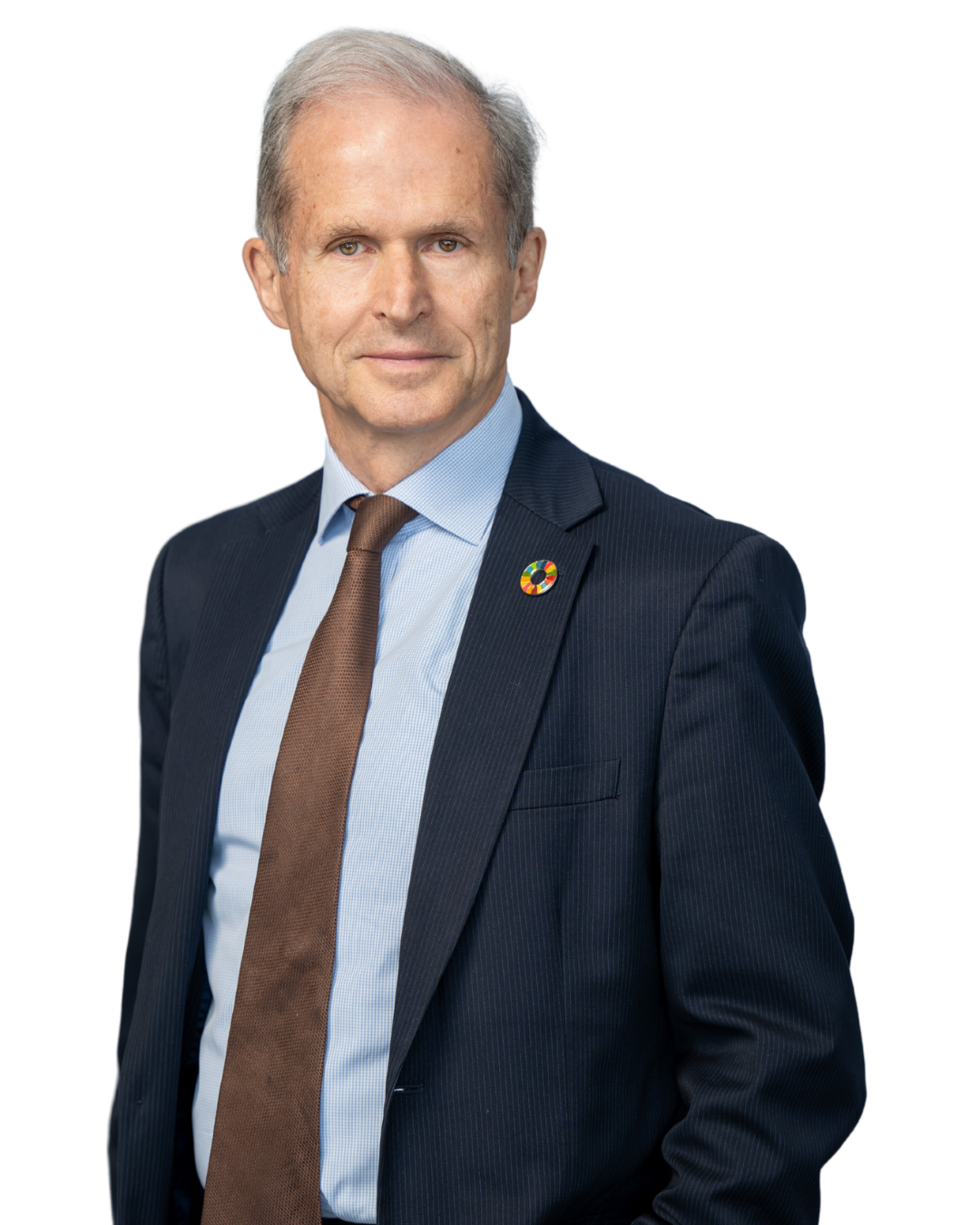
Erik Berglöf
Chief Economist, Asian Infrastructure Investment Bank
Berglof sets the vision and strategy for the Economics Department and leads the planning, implementation and supervision of its work plan in support of the Bank’s mandate. He is the Bank’s inaugural Chief Economist. Prior to joining AIIB in September 2020, he was Director of the Institute of Global Affairs, London School of Economics, and Chief Economist of the European Bank for Reconstruction and Development from 2006 to 2015, where he was part of creating and co-led the Vienna Initiative, a European crisis response team credited with mitigating the impact of the 2008 Global Financial Crisis. He is an expert in transition economics and institutional transformation through private sector development. He holds a PhD in Financial Economics and an MA in Business and Economics, both from the Stockholm School of Economics. Berglof is a national of Sweden.
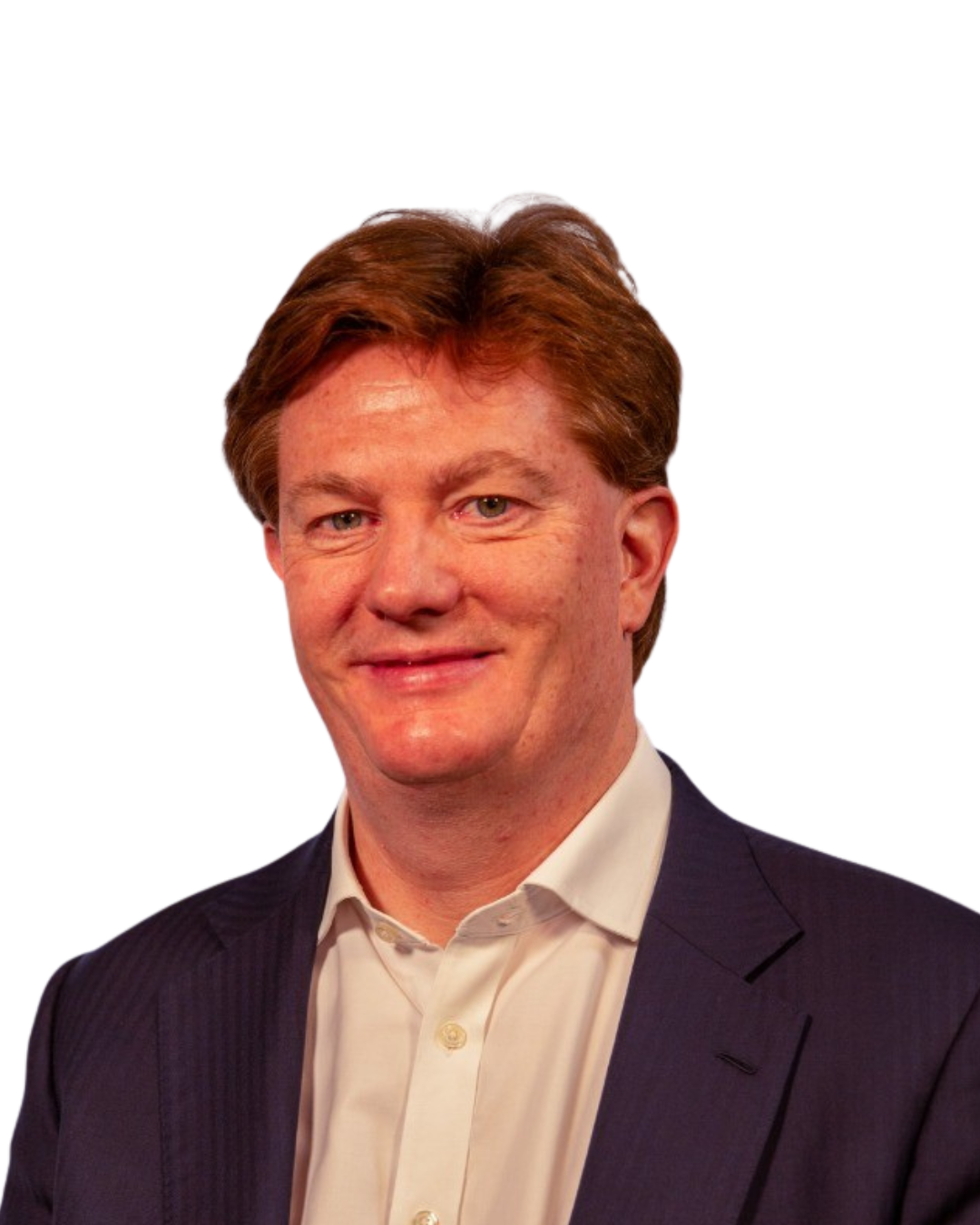
Sir Danny Alexander
CEO of Infrastructure Finance and Sustainability, HSBC
Sir Danny Alexander is CEO of HSBC Infrastructure Finance and Sustainability, CIB. In this role, Danny leads on infrastructure finance and project finance advisory opportunities associated with the transition to net zero in our strategic markets. Danny also leads on sustainable finance and clean tech initiatives and oversees partnerships such as Pentagreen Capital, our joint venture with Temasek that targets marginally bankable clean energy and adaptation projects in Southeast Asia. Previously Sir Danny was Vice President, Policy and Strategy, Asian Infrastructure Investment Bank (AIIB). He joined the AIIB – the first new multilateral development bank of the 21st century and the first to be headquartered in Beijing - at its inception in 2016 and led the Bank through its start-up and growth phases. Sir Danny was responsible for AIIB’s strategic direction, including its thematic sectoral and country priorities. He led the Bank’s ambitious climate agenda and oversaw AIIB’s environmental and social and other operational policies. He represented AIIB at the G20 Finance Ministers meetings, climate COPs, and other international meetings. He led the Bank’s partnership with the World Bank and other multilateral, bilateral, and private sector partners. From 2010-2015, Sir Danny was Chief Secretary to the Treasury in the United Kingdom Cabinet. He led the Liberal Democrat negotiating team that established the Coalition that governed in that period and was one of the four member ‘Quad’ that provided the core political leadership of that government. In government, he was responsible for the UK’s deficit reduction, pension reform, and national infrastructure plan. He was a member of the National Security Council. He was MP for Inverness, Nairn, Badenoch and Strathspey from 2005 to 2015. He was Knighted by Her Majesty the Queen in 2015 for his services to government. He holds a BA in philosophy, politics and economics from the University of Oxford and is an honorary fellow of St Anne’s College, Oxford. He was born and brought up in the Highlands and Islands of Scotland.
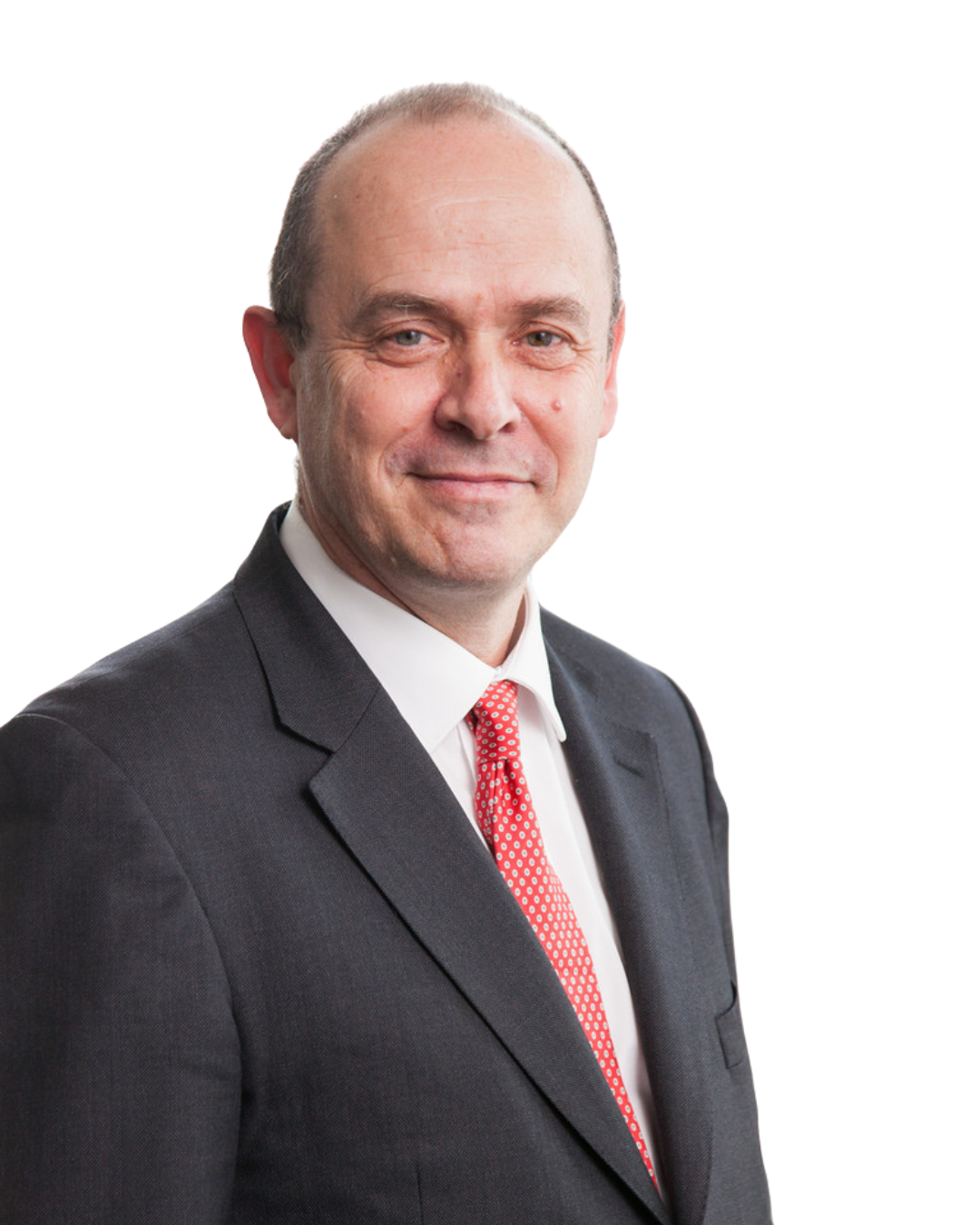
Simon Zadek
Co-founder and Managing Partner, Morphosis
Simon Zadek is a Co-Founder and Managing Partner of Morphosis, where he drives the firm's strategic direction, drawing on deep policy networks across sustainable finance, climate and development. He was previously the founding Chief Executive of Geneva-based non-profit organisation, NatureFinance. He is a member of the Club of Rome, a Senior Fellow at the Paulson Institute, an Honorary Fellow at the Hoffmann Centre for Global Sustainability at the Geneva Graduate Institute, and a Senior Advisor to the Taskforce on Nature-related Financial Disclosures. He has held leadership roles with the UN, including Co-Director of the UNEP Finance Inquiry, Senior Advisor on Sustainable Finance in the Executive Office of the UN Secretary General, and lead on the UN Secretary General's Taskforce on Digital Financing of the SDGs. He served as Sherpa of the G20 green finance work track under the Chinese, German and Argentinian Presidencies, and has held academic roles at Harvard Kennedy School of Government, Tsinghua School of Economics and Management, and Singapore Management University. Simon has a Ph.D is widely published including the award-winning book The Civil Corporation and most recently ‘Time to Plan for a World Beyond 1.5C.
